Chinch Bugs: The Hidden Pest Damaging Lawns in Coastal North Carolina
Posted: August 10, 2026
Bowman’s Best Blogs
Chinch Bugs: The Hidden Pest Damaging Lawns in Coastal North Carolina
If your lawn is starting to show yellow or brown patches, your first thought is probably that it needs more water. In coastal North Carolina, that’s not always the case.
In areas like Wilmington and the surrounding communities, chinch bugs are a common but often overlooked cause of lawn damage. These small pests thrive in hot, dry conditions and can quickly turn a healthy lawn into a patchy, stressed one without being easily noticed.
Understanding how chinch bugs work and what to look for can help you catch the problem early and avoid long-term damage.
What Are Chinch Bugs?
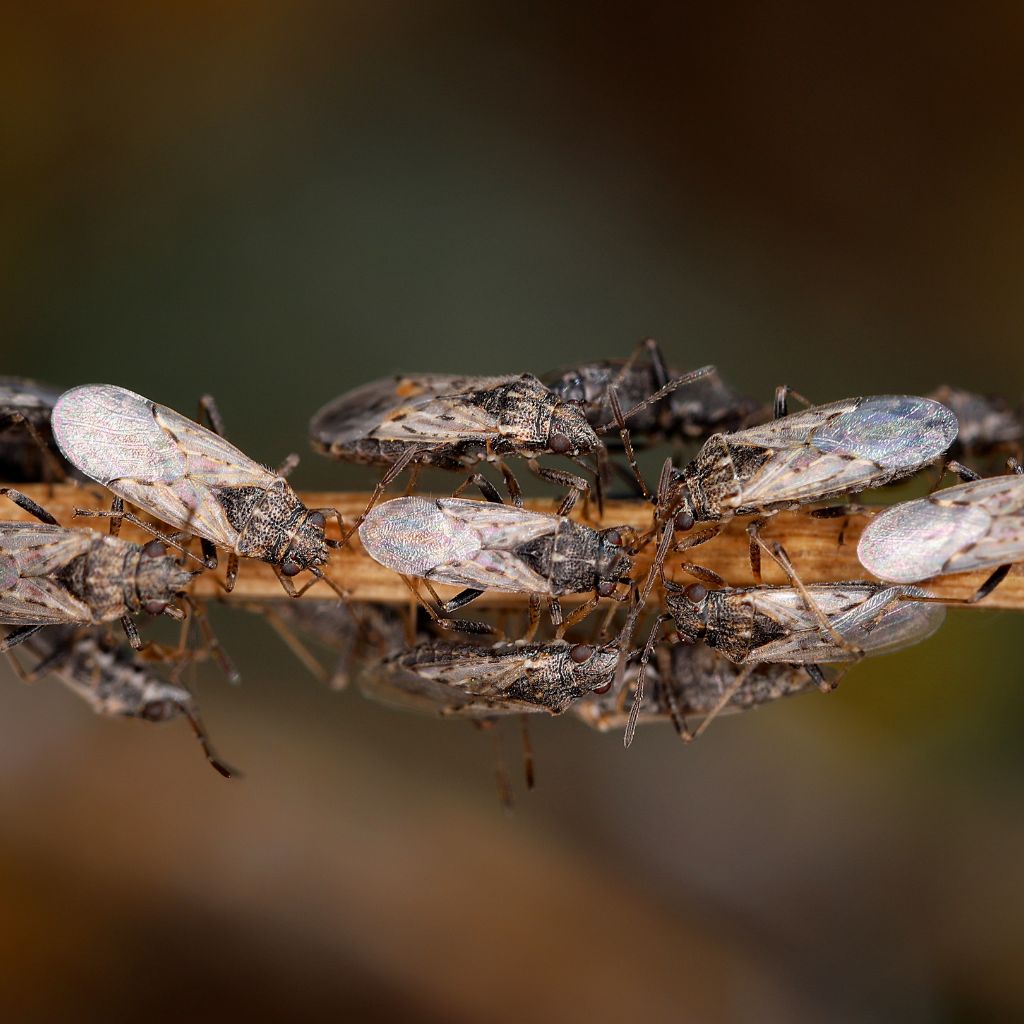
Chinch bugs are tiny insects that feed on grass by piercing the blades and sucking out moisture. As they feed, they also release toxins that damage the plant tissue, which causes grass to weaken and die off.
They are most commonly found in:
All of which are widely used throughout Wilmington and coastal North Carolina.
Because they are so small and tend to stay near the base of the grass, they often go unnoticed until visible damage has already occurred
Why They’re a Problem in Coastal North Carolina
Chinch bugs thrive in the exact conditions that are common in this region, especially during periods of low rainfall.
They are most active when:
This makes them particularly aggressive during dry stretches, when lawns are already under stress. Unfortunately, this also makes their damage easy to confuse with drought.
Signs of Chinch Bug Damage
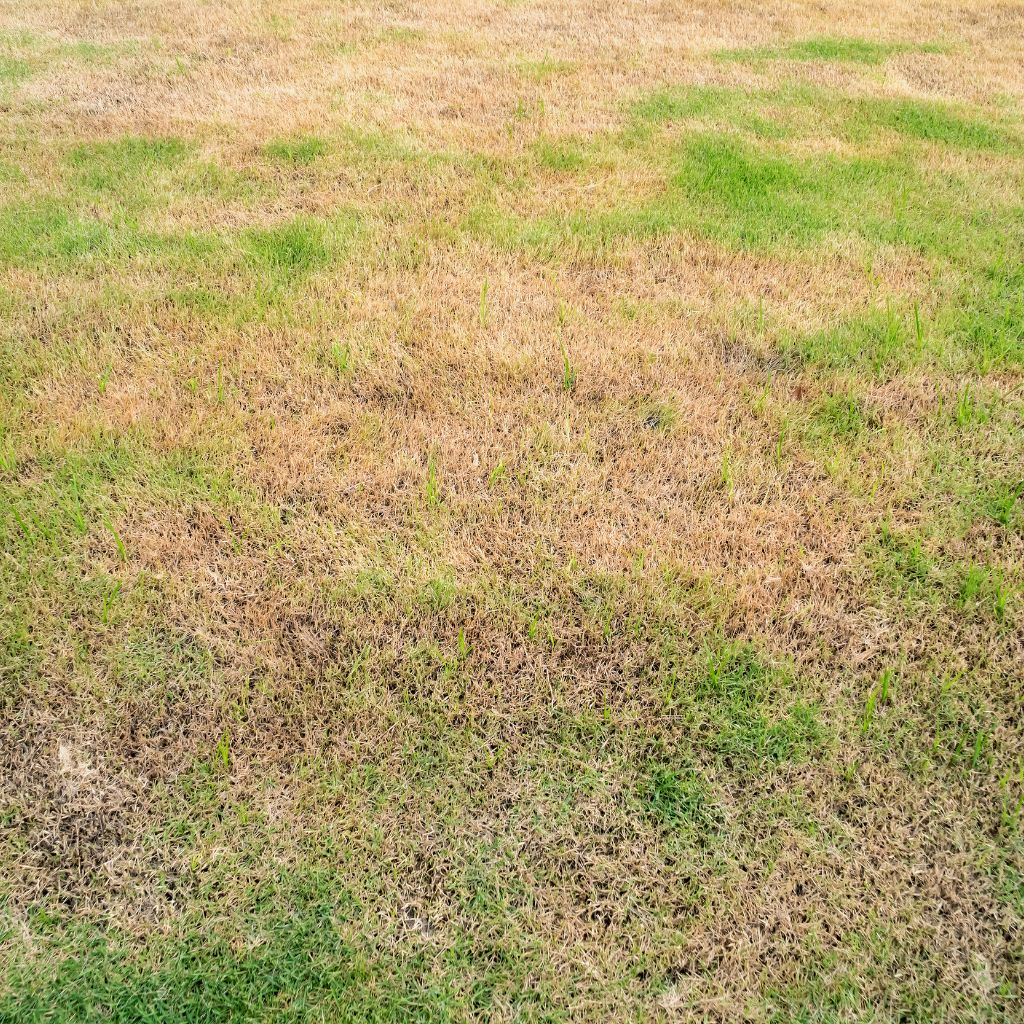
One of the biggest challenges with chinch bugs is that their damage looks very similar to other lawn issues.
Common signs include:
A key difference is that drought-stressed grass usually responds to watering, while chinch bug damage does not.
Why Misdiagnosis Makes the Problem Worse
When chinch bug damage is mistaken for drought, the typical response is to water more. While watering is important, it does not solve the underlying issue.
In fact, delaying proper treatment allows the infestation to grow, leading to:
The longer the pests go untreated, the harder it becomes for the lawn to bounce back.
How to Protect Your Lawn
The best way to deal with chinch bugs is early identification and proper treatment.
Maintaining a healthy lawn also plays a role in prevention. Lawns that are properly watered, mowed at the correct height, and supported with good soil conditions are better able to withstand stress and recover from damage.
Regular inspections are especially important during dry periods, when chinch bug activity tends to increase.
Know What You’re Dealing With
Not all lawn damage is caused by a lack of water. In coastal North Carolina, pests like chinch bugs are a common and often overlooked factor.
Knowing the difference between drought stress and pest damage can save time, money, and frustration, while helping your lawn stay healthy and consistent throughout the growing season.
If you’re unsure what’s causing changes in your lawn, taking a closer look early can make all the difference in how well it recovers.
910-264-5034
Related Posts
LAWN CARE
Landscape Installation
HArdscapes & Lighting