
How to Prepare Your Lawn for Winter in Wilmington, NC
Posted: November 10, 2026
Bowman’s Best Blogs
How to Prepare Your Lawn for Winter in Wilmington, NC
By November, lawns across Wilmington and coastal North Carolina are starting to slow down. Warm-season grasses such as Bermuda, Zoysia, Centipede, and St. Augustine begin heading toward dormancy as temperatures drop, which means your lawn’s needs are changing too.
Winter lawn care is less about pushing new growth and more about helping your turf enter the colder months in the best condition possible. A few simple adjustments now can help protect your lawn, prevent unnecessary problems, and make spring cleanup easier.
Keep Leaves and Debris Under Control
One of the most important things you can do for your lawn in late fall is keep it clear of heavy leaf buildup and other debris.
A thick layer of leaves can block sunlight, trap excess moisture, and cover the turf for extended periods. NC State Extension recommends removing leaves and debris from several common warm-season grasses as they move into the winter months.
Regular cleanup also helps keep your property looking neat as growth slows and mowing becomes less frequent.
Adjust Your Watering Schedule
Your lawn doesn’t need the same amount of water in November that it needed during the middle of summer.
As temperatures cool and warm-season turf slows down, water demand decreases significantly. NC State Extension’s irrigation guidance for the Wilmington area shows no routine supplemental irrigation requirement for warm-season turf during November under average conditions.
That doesn’t mean your lawn should never be watered during the winter. Extended dry periods can still create stress, especially on certain turf types. The key is to water based on actual conditions rather than leaving your irrigation system on the same schedule year-round.
Be Careful With Late-Season Fertilizer
It can be tempting to apply fertilizer late in the year in hopes of keeping a lawn green longer, but more fertilizer isn’t always better.
For warm-season grasses, NC State Extension advises against late-fall or winter nitrogen applications because they can increase the risk of winter injury. The right fertilization schedule depends on your grass type, soil conditions, and time of year. November is generally a time to let warm-season turf begin its natural transition into dormancy rather than trying to force additional growth.
Watch for Winter Weeds
Your grass may be slowing down, but that doesn’t mean weeds are.
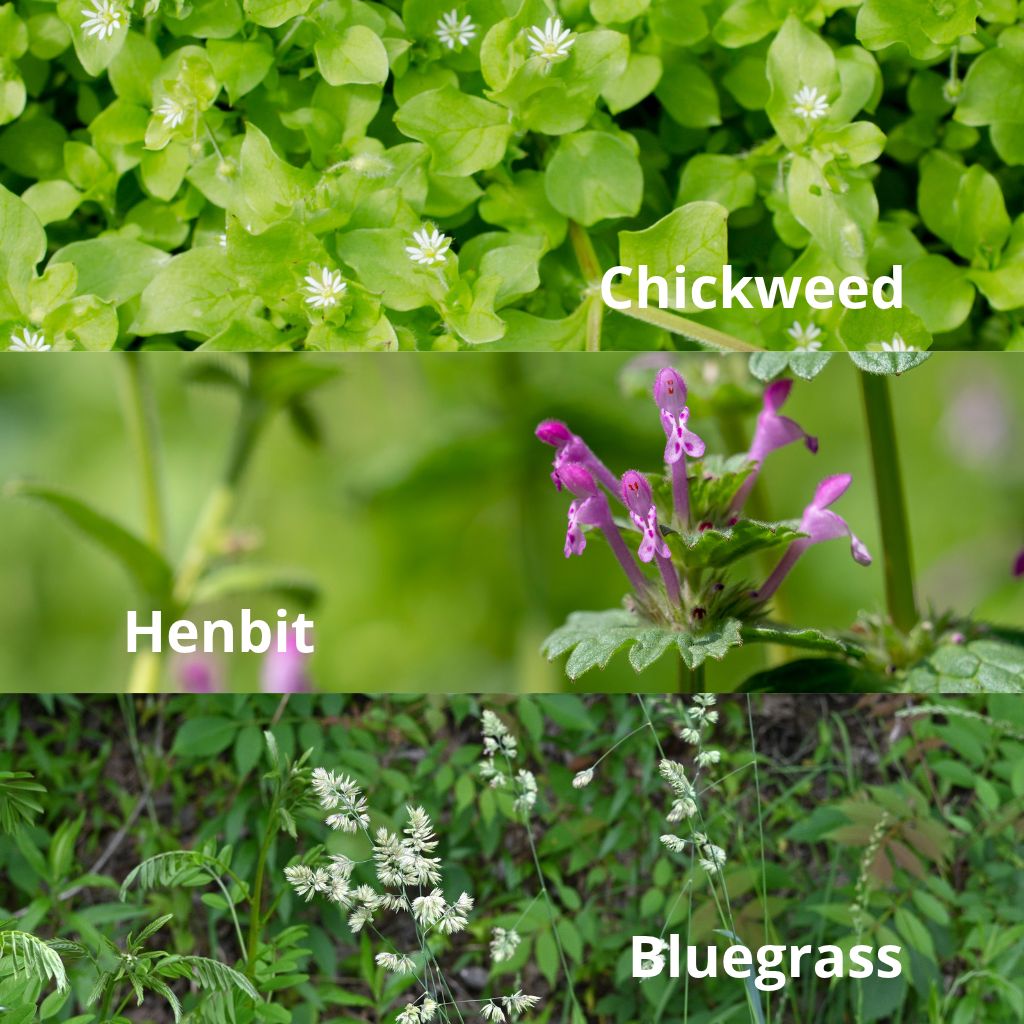
Winter annual weeds such as chickweed, henbit, and annual bluegrass can become noticeable as warm-season lawns lose their summer color. NC State Extension notes that pre-emergent weed control for many winter annuals is typically applied in late summer to early fall, while certain post-emergent options may be used later depending on the weed and turf type.
Because some warm-season grasses are more sensitive to certain herbicides than others, proper identification and product selection matter. Always follow the product label, or work with a lawn care professional who understands the turf growing in your yard.
Don’t Worry If Your Lawn Starts Turning Brown
For many Wilmington homeowners, seeing a green lawn begin turning tan or brown can be concerning. But for warm-season grasses, this seasonal color change is usually normal. Bermuda, Zoysia, Centipede, and St. Augustine naturally slow down as temperatures fall, and many will enter dormancy after colder weather arrives.
Dormancy doesn’t mean your lawn is dead. It’s simply part of the natural growth cycle for warm-season turf.
A Little Fall Maintenance Goes a Long Way
Preparing your lawn for winter doesn’t have to be complicated. Keeping leaves under control, adjusting irrigation, avoiding unnecessary fertilizer, and staying ahead of winter weeds can all help your lawn move through the colder months with fewer problems.
At Bowman’s Best Lawn Care, we help homeowners throughout Wilmington and the surrounding area take care of their lawns through every season. From mowing and lawn treatments to weed control, irrigation, and complete landscape maintenance, our team can help keep your property looking its best year-round.
Need help getting your lawn ready for winter? Contact Bowman’s Best Lawn Care at 910-264-5034 for a free estimate.
 Why Fall Is a Great Time to Plant Trees and Shrubs in Coastal North Carolina
910-264-5034
Related Posts
LAWN CARE
Landscape Installation
HArdscapes & Lighting


