
Is It Too Early to Fertilize Your Lawn in February?
Posted: February 6, 2026
Bowman’s Best Blogs
Is It Too Early to Fertilize Your Lawn in February?
February lawn care in Wilmington, North Carolina, can be confusing. Mild winter temperatures often make it feel like spring is right around the corner, but timing matters when it comes to fertilizing your lawn. Applying fertilizer too early can lead to poor results and long-term lawn problems.
Understanding how Wilmington’s coastal climate affects grass growth will help you make the right decisions for your lawn this time of year.
Why February Is Usually Too Early to Fertilize in Wilmington
Most lawns in Wilmington consist of warm-season grasses such as Bermuda grass, Zoysia grass, and Centipede grass. These grasses remain dormant throughout winter, even during warmer February days.
Although air temperatures may rise, soil temperatures typically remain too cool for active root growth. Fertilizer applied in February is often unused by the grass and may be lost to rain, runoff, or weed growth.
Early fertilization can also stress your lawn and increase the risk of damage if cold weather returns.
Soil Temperature Matters More Than the Calendar
Grass growth in Wilmington depends on consistent soil warmth, not short-term weather changes. Warm-season grasses begin responding to fertilizer only after soil temperatures remain warm enough to support root activity.
In February, soil temperatures in southeastern North Carolina are usually below the threshold needed for nutrient uptake. Waiting until the lawn shows consistent green up ensures fertilizer works as intended.
This is why professional lawn care programs are based on conditions rather than guesswork.
Problems Caused by Fertilizing Too Early
Applying fertilizer before the grass is ready can create several issues for Wilmington lawns:
- Nutrients feed weeds instead of your lawn
- Fertilizer washes away during winter rain events
- Grass produces weak early growth
Proper timing helps prevent these problems and protects the long-term health of your lawn.
What Wilmington Lawns Need in February
While fertilization is usually not recommended yet, February is still an important month for lawn care in coastal North Carolina.
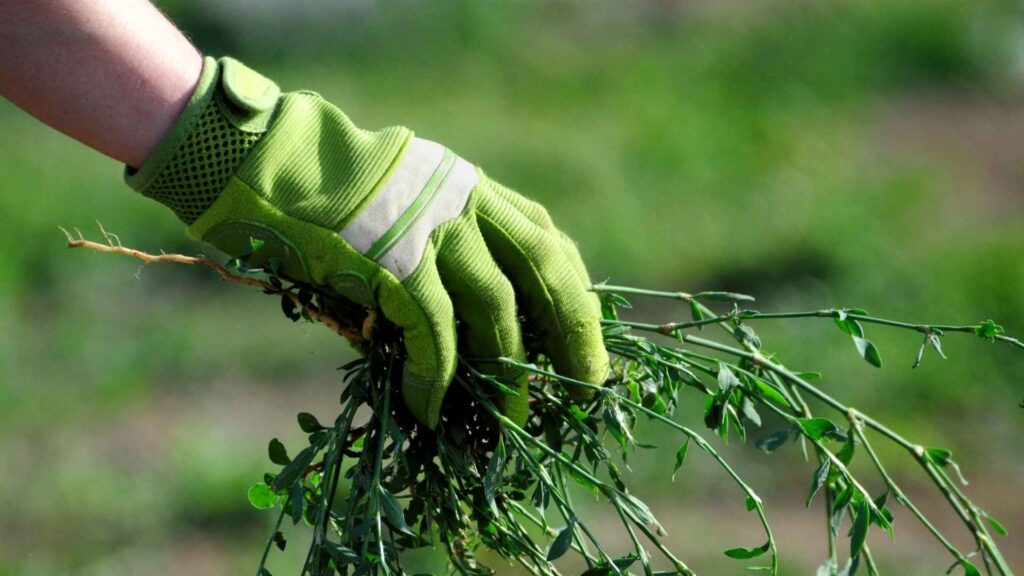
Pre-emergent weed control is one of the most valuable treatments during this time. Many common weeds in Wilmington begin germinating as soil temperatures slowly rise. Preventative treatments now can reduce weed pressure throughout spring.

Light cleanup also helps lawns transition more smoothly. Removing leaves, debris, and excess material allows sunlight to reach the soil and improves air circulation.
February is also a good time to evaluate drainage issues, soil compaction, and areas that struggled in the previous season.
When Fertilizing Makes Sense in Wilmington
The best time to fertilize warm-season lawns in Wilmington is when the grass is actively growing and soil temperatures are consistently warm. For most lawns, this occurs in early to mid-spring once green begins.
Properly timed fertilization supports strong root development, even growth, and lasting color throughout the growing season.
Set Your Lawn Up for Success
In Wilmington, North Carolina, a healthy spring lawn begins before spring is officially on the calendar. By avoiding early fertilization, protecting soil health, and staying ahead of weeds, you give your lawn the best chance to thrive as temperatures rise.
If you want expert help tailored to Wilmington’s coastal climate and local grass types, Bowman’s Best Lawn Care is ready to help. Contact us today to build a customized lawn care plan and get your lawn off to a strong start this season.

910-264-5034
Related Posts
LAWN CARE
Landscape Installation
HArdscapes & Lighting


