
Signs Your Yard Has a Drainage Problem
Posted: September 10, 2026
Bowman’s Best Blogs
Signs Your Yard Has a Drainage Problem
A little standing water after a heavy storm may not seem like a major concern. But when parts of your yard stay wet long after the rain stops, the problem may go beyond the weather.
Poor drainage can make it difficult for grass and plants to stay healthy. It may also lead to muddy areas, soil erosion, and water collecting near patios, walkways, or other parts of the property.
Knowing the early signs of a drainage problem can help you address it before the damage becomes more noticeable.
Water Stays in the Yard After It Rains
One of the clearest signs of poor drainage is water that remains in the same areas after the rest of the property has begun to dry.
Low spots can collect runoff during storms, leaving puddles that last for hours or even days. You may also notice that certain areas feel soft or soggy every time you walk across them.
Occasional puddling after unusually heavy rainfall may not always signal a larger issue. However, water that repeatedly gathers in the same place is worth paying attention to.
Parts of the Lawn Always Feel Wet or Muddy
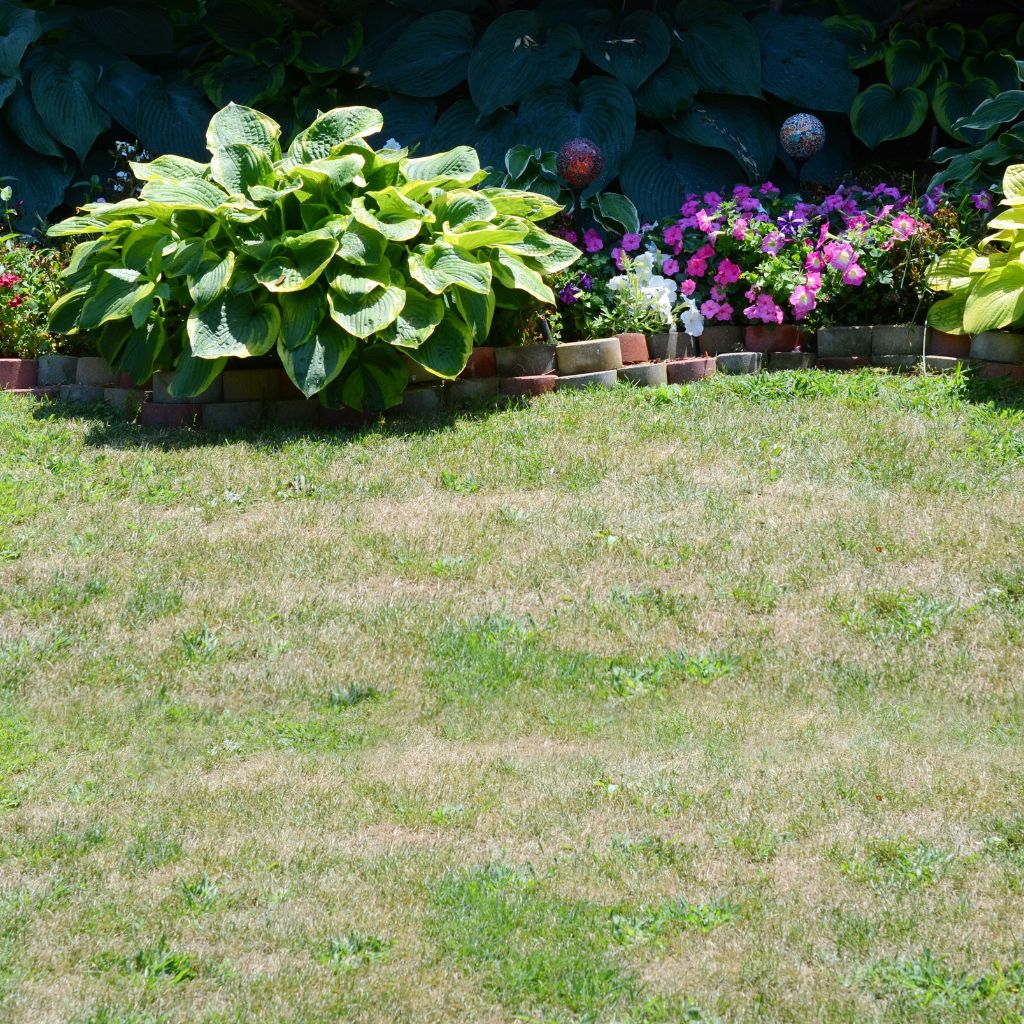
A yard does not need to have a visible puddle to have a drainage problem. Some areas may simply stay damp, muddy, or difficult to mow. Grass may become flattened, and footprints or mower tracks may remain in the soil long after the area should have dried.
Consistently wet ground can make routine lawn care more difficult and may prevent the grass from growing evenly.
Grass Is Thinning in the Same Areas
When the soil stays overly wet, sections of grass may begin to thin, turn yellow, or struggle to grow.
You may notice that the same patches continue to decline even after fertilization, watering adjustments, or other lawn treatments. In some cases, the problem is not a lack of care. The roots may simply be sitting in soil that does not drain well.
Before replacing the grass or installing new sod, it is important to understand why that area is failing.
Soil Is Washing Away
Drainage problems do not always involve standing water. Fast-moving runoff can create problems of its own.
Watch for signs such as:
These changes may indicate that water is moving across the property instead of soaking into the ground where it falls.
Water Collects Near Hardscapes or Structures
Pay attention to where water travels during and after a storm. If it repeatedly collects near a patio, walkway, retaining wall, driveway, or the foundation of a structure, the surrounding grade or drainage path may not be moving water away effectively.
Even when the lawn itself looks healthy, water gathering around these areas can make parts of the property harder to use and may contribute to erosion or shifting soil over time.
Why Yard Drainage Matters in Wilmington, NC
Wilmington homeowners can see drainage problems become especially noticeable after periods of heavy rain. Low areas, poorly directed runoff, and water collecting around hardscapes can leave portions of a landscape wet long after the rest of the property has dried.
Because every property handles water differently, identifying where runoff originates and where it collects is an important first step before repairing damaged grass or landscape beds.
Why Drainage Should Be Addressed First
It can be tempting to repair the visible damage by adding seed, sod, mulch, or new plants. But those improvements may not last if the underlying water problem remains.
Addressing drainage first can help protect future lawn and landscape work. The right solution will depend on the property, where the water is coming from, and how it currently moves through the yard.
That is why drainage issues should be evaluated based on the full property rather than treated as a single wet patch.
Protect Your Lawn From Ongoing Water Problems
A healthy lawn needs water, but it also needs the excess to move away properly.
Standing water, muddy areas, erosion, and repeatedly thinning grass may all be signs that your yard is not draining as it should. Identifying the cause early can help prevent continued damage and make the property easier to maintain.
Bowman’s Best Lawn Care provides drainage solutions for residential and commercial properties in Wilmington and the surrounding area. Contact the team to schedule an evaluation and find the right approach for your landscape.
910-264-5034
Related Posts
LAWN CARE
Landscape Installation
HArdscapes & Lighting


